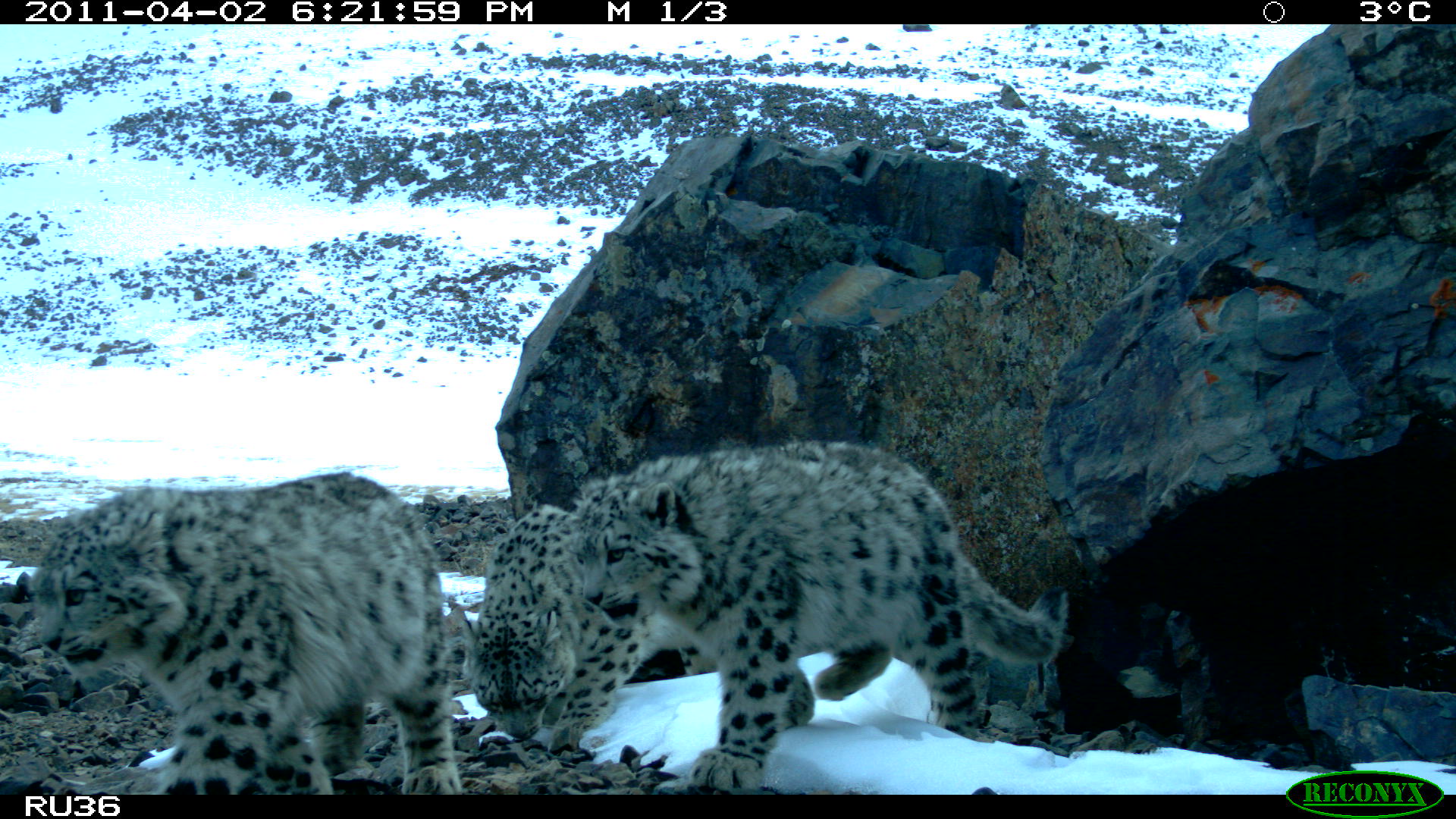
SLN invites you to join us for our next webinar based on this recent publication:

About the Talk:

The number of studies on snow leopard ecology has surged dramatically over the past few decades. However, despite this increase, many essential aspects of the species biology, which are critical for shaping effective conservation and management strategies, remain poorly understood. A particularly crucial area of research is the population connectivity and genetic structure of snow leopards across their naturally fragmented range.
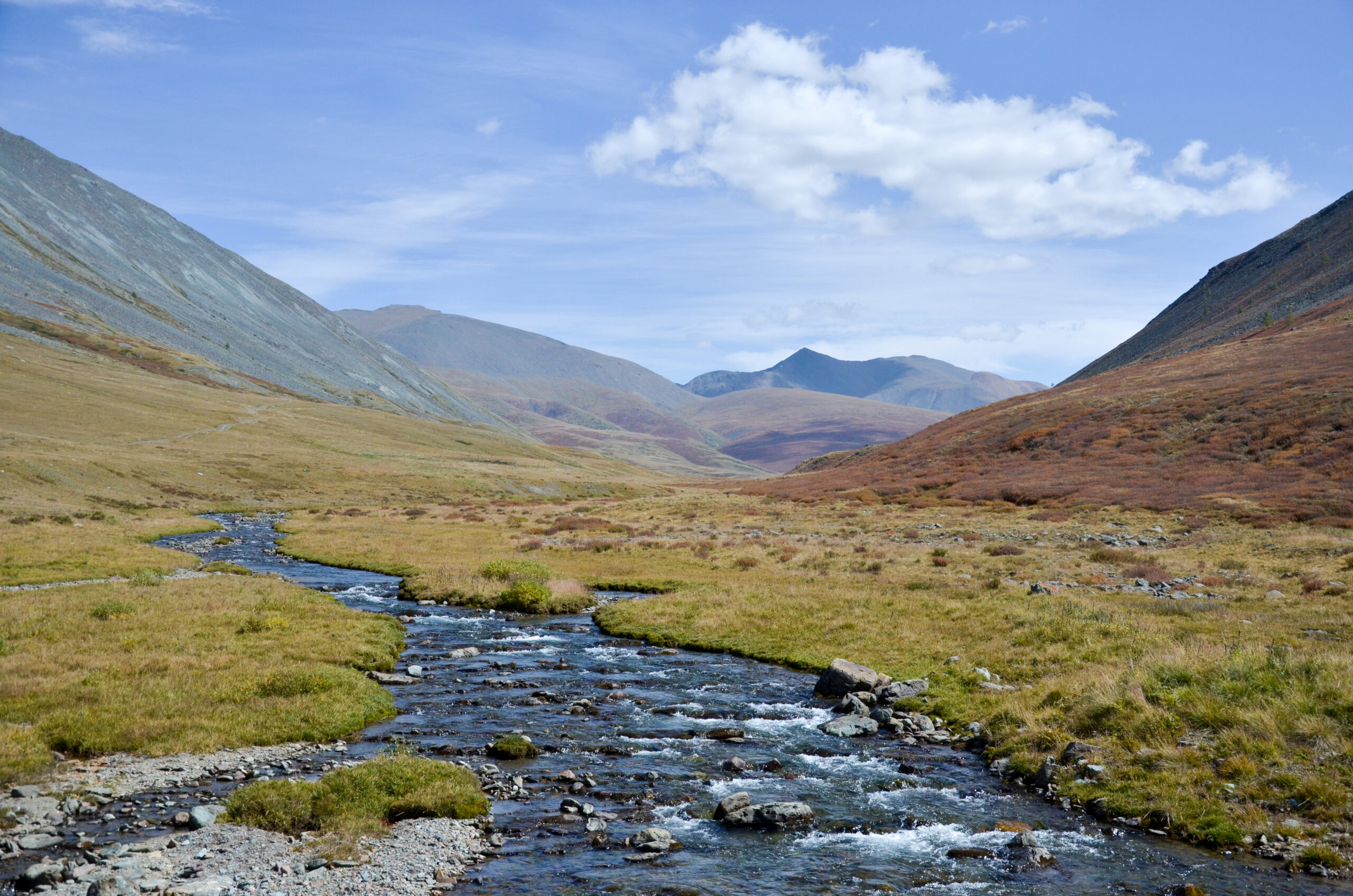
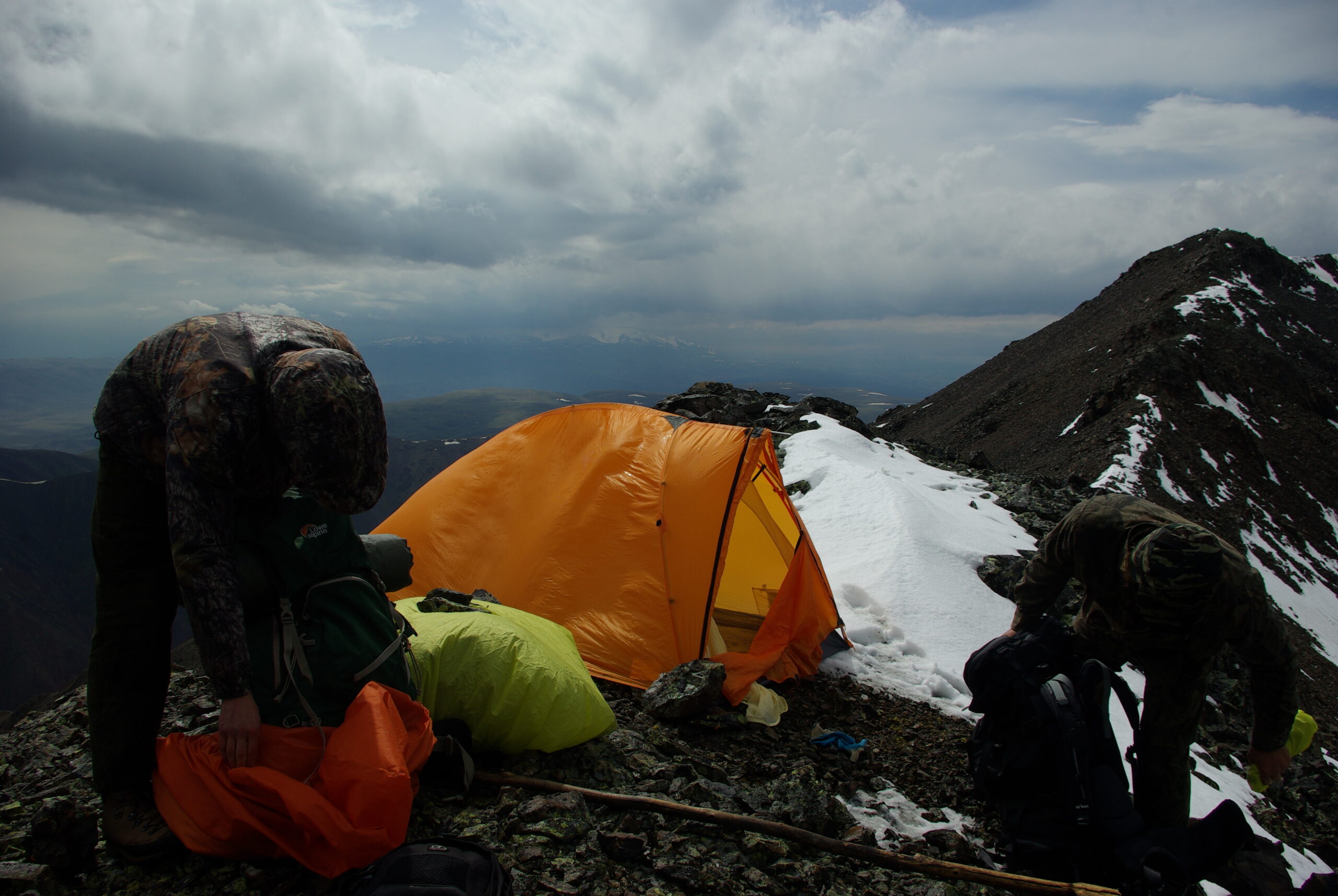
In our study, we focused on the Dzungarian region, specifically Kazakhstan, which has been repeatedly identified as a potentially significant area of connectivity between the southwestern and northern portions of the snow leopard range. We analyzed genetic data (mtDNA and microsatellites) of snow leopards from Russia, Mongolia, Kyrgyzstan, Tajikistan, and Kazakhstan to recognize both historical and recent signatures of gene flow between the major fragmented regions of the species’ distribution. Our results confirm the Dzungarian region’s role as a crucial area of connectivity between the core and northern populations, thereby providing empirical support for prior habitat-and connectivity-model predictions. However, we did not find clear evidence to unambiguously identify whether Kazakhstan or Chinese Xinjiang serves as the primary corridor linking these two fragmented parts of the snow leopard range. We believe that connectivity across the global species’ range likely relies on several narrow corridors forming contact zones, facilitated by the species’ capacity for long-distance movements.

Further research efforts are needed to gain a comprehensive understanding of population connectivity in this focal region. Considering the Dzungarian region’s potential to support gene flow between the two major portions of the snow leopard range, conservation strategies should prioritize the preservation of habitats that can function as “stepping stones” to facilitate migration between the Tian Shan and the northern populations in Mongolia and Russia.
About our Speaker:
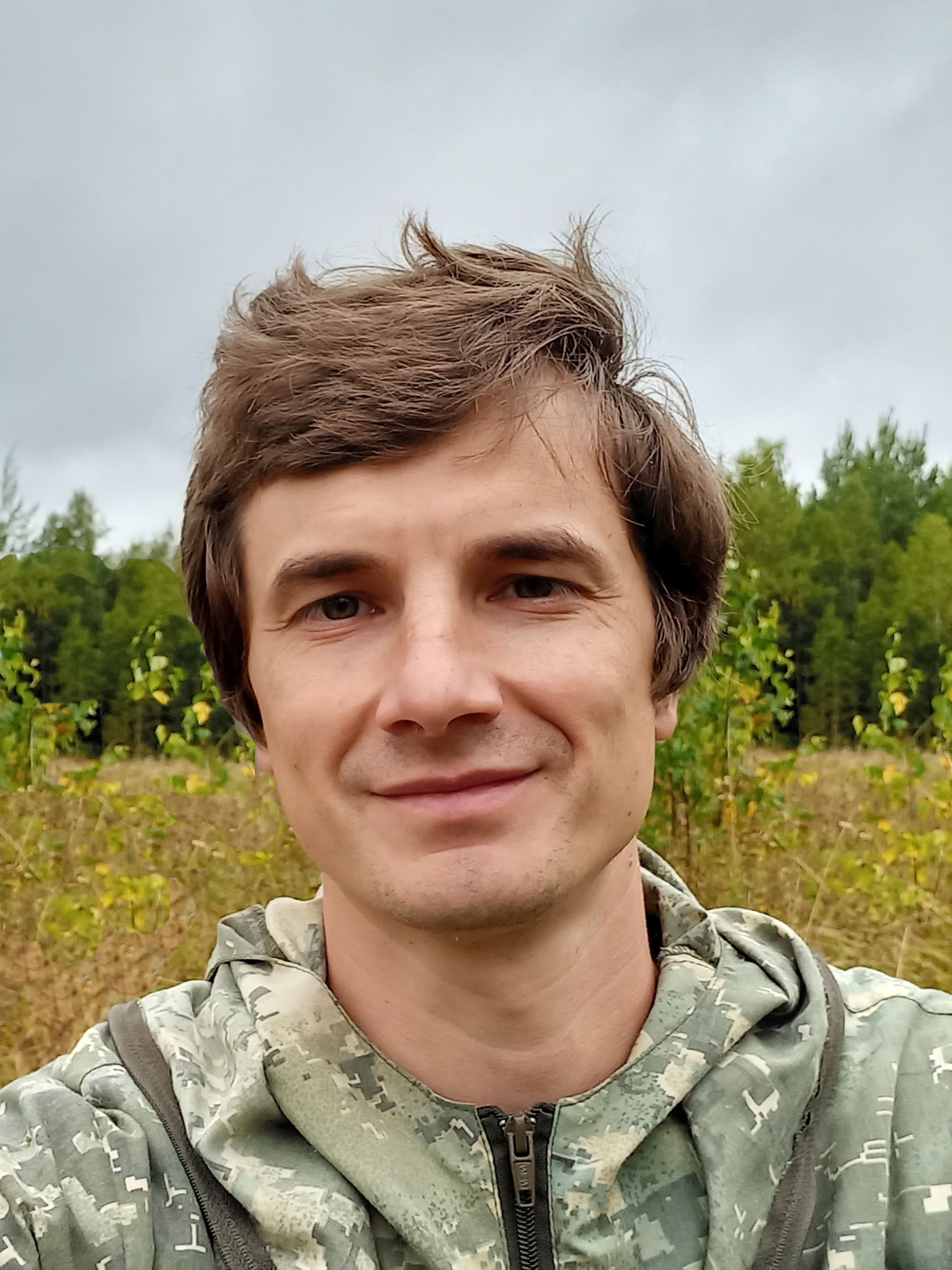
 

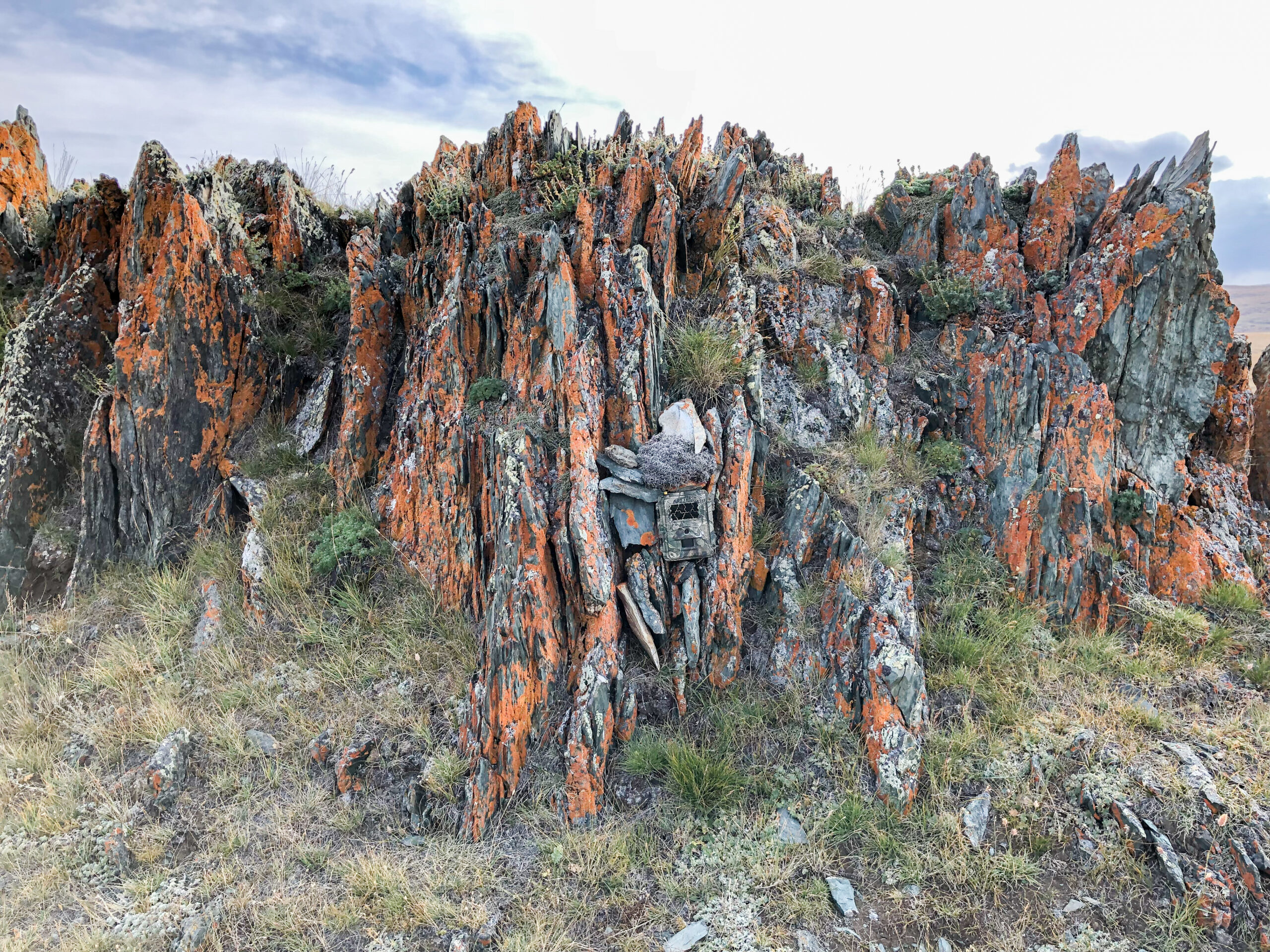
Dr. Miroslav Korablev is a Russian zoologist and senior researcher at the Severtsov Institute of Ecology and Evolution of the Russian Academy of Sciences. His multidisciplinary work spans ecology, population genetics and morphometry across a broad array of mammals – including mustelids, canids, felids and rodents – with a particular emphasis on carnivore population genetics and ecology. A flagship focus of Dr. Korablev’s research is the snow leopard, especially the northernmost populations inhabiting the Altai and Sayan mountain ranges of Russia and Mongolia. Through detailed analyses of genetic diversity, population structure and connectivity both within this region and across the species’ wider range, his studies have yielded critical insights into the viability of these transboundary populations and the threats they face.


About our Facilitator:
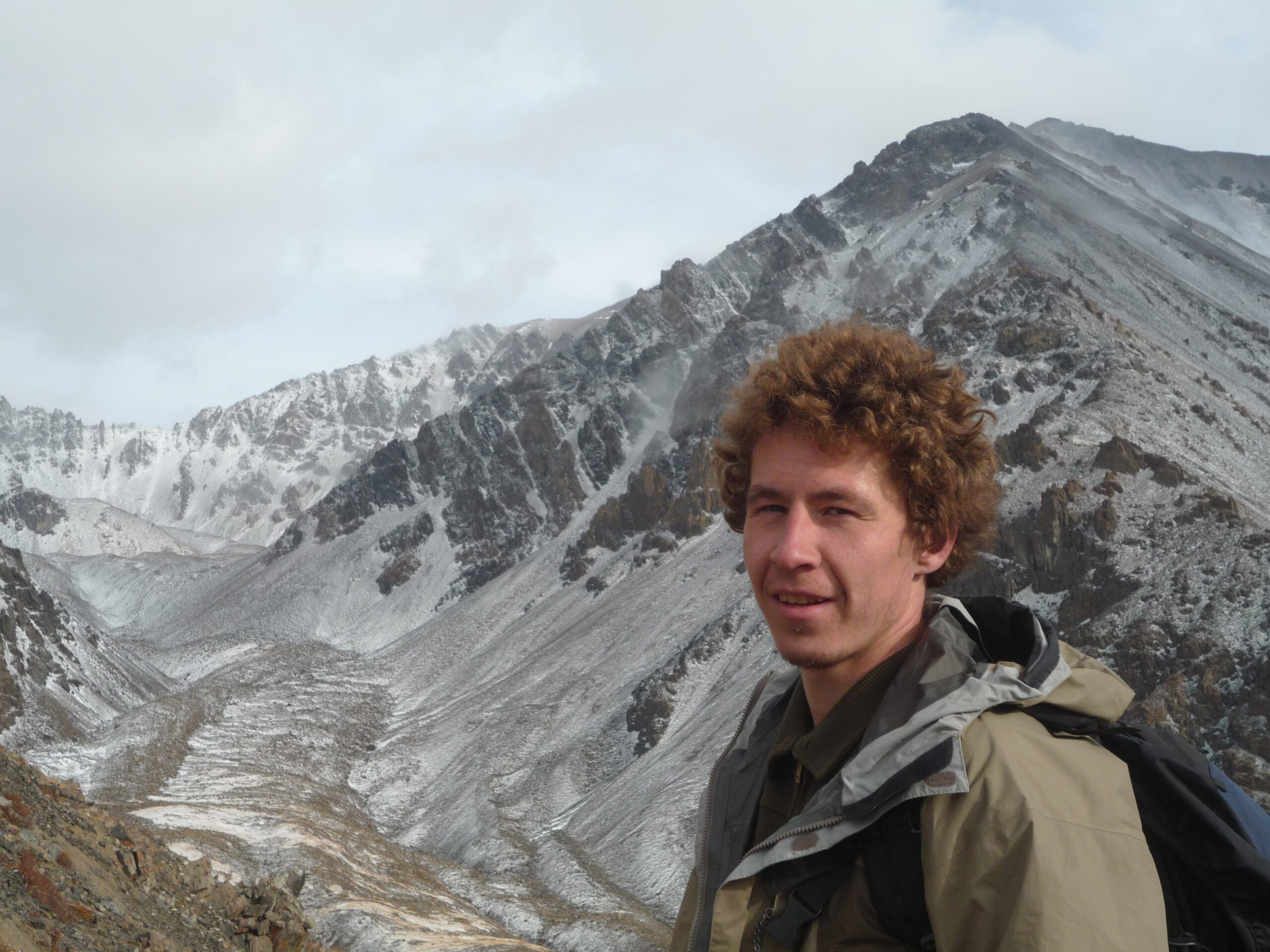
 

Alexander Karnaukhov is a trained, certified, enthusiastic and capable conservation biologist with over 20 years of field experience in the Altai-Sayan (Russia, Mongolia, Kazakhstan) and Central Asian (Tajikistan, Kazakhstan, Kyrgyz Republic) ecoregions, with most of that field work conducted in snow leopard habitat. Since 2010, he’s been intensively working with camera traps. At this time roughly 400 cameras in 9 project sites in Russia have been installed with his direct participation or advisory support. Over the past 13 years, his team has succeeded in stabilizing the snow leopard population in Altai-Sayan ecoregion and to slightly increase snow leopard numbers in several areas (for example, in Sailugemsky National Park in Altai mountain).
 

Date/Time:

Tuesday, 18th November at 15:00 PM (Bishkek time)

Location:

ZOOM, to join this talk, REGISTER HERE

Please note:

  • If you have never used Zoom before, we recommend that you try the link 10 minutes before the start of the lecture.
  • Please feel free to write questions in the comment area and there will be time for questions/discussion at the end of the talk.
  • Please note that the session will be recorded and later featured on the SLN website. If you have concerns about this please let us know before the session

 

Please find details below of a new article added to our Bibliography:

Title: Understanding multiple pathways of the impacts of socio-­ economic shocks on large carnivores

Author: Murali, R., Adabaeva, A., AnMuralgulo, S., Arispe, R., Baumann, M., Ghoddousi, A., Hamidi, A. K., Jansen, M., Khalatbari, L., Khorozyan, I., Maillard, O., Muller, D., Munoz, A. R., Rosen, T., Rumiz, D., Soshin, A., Yusefi, G. H., Kummerle, T.

Abstract: 1. Large carnivores are ecologically, economically and socially important, but they are also among the most threatened species worldwide. These species face numerous threats, most importantly habitat transformation, prey depletion and hunting. All of these threats could be exacerbated by socio-­ economic shocks—such as financial crises, wars, pandemics or political regime shifts—that can cause sudden and
structural changes in social-­ ecological systems. However, the different pathways through which such shocks impact large carnivores are unclear.
2. Here, we used a social-­ ecological systems approach to build a conceptual framework that investigates these pathways. We used expert workshops and case-­ specific, narrative literature reviews to illustrate this framework for three cases: (1) impacts of economic sanctions on the Asiatic cheetah (Acinonyx jubatus venaticus) in Iran, (2) impacts of global commodity price shocks on the jaguar (Panthera onca) in Bolivia and (3) impacts of the collapse of the Soviet Union on the snow leopard (P. uncia) in Kyrgyzstan.
3. We found that conservation and agricultural institutions were crucial for carnivore conservation, despite the different nature of the shocks and the different socio-­ economic settings across cases. We identified linkages between carnivore conservation and the global economy at the levels of nations and communities,
which increased the vulnerability of carnivores to shocks.
4. Our cases highlighted the need to proactively create resilient institutions focused on local capacity building, enhancement of social stability and built on internal motivations for conservation, to secure the future of large carnivores in turbulent times.

URL: https://snowleopardnetwork.org/b/show.php?record=1787


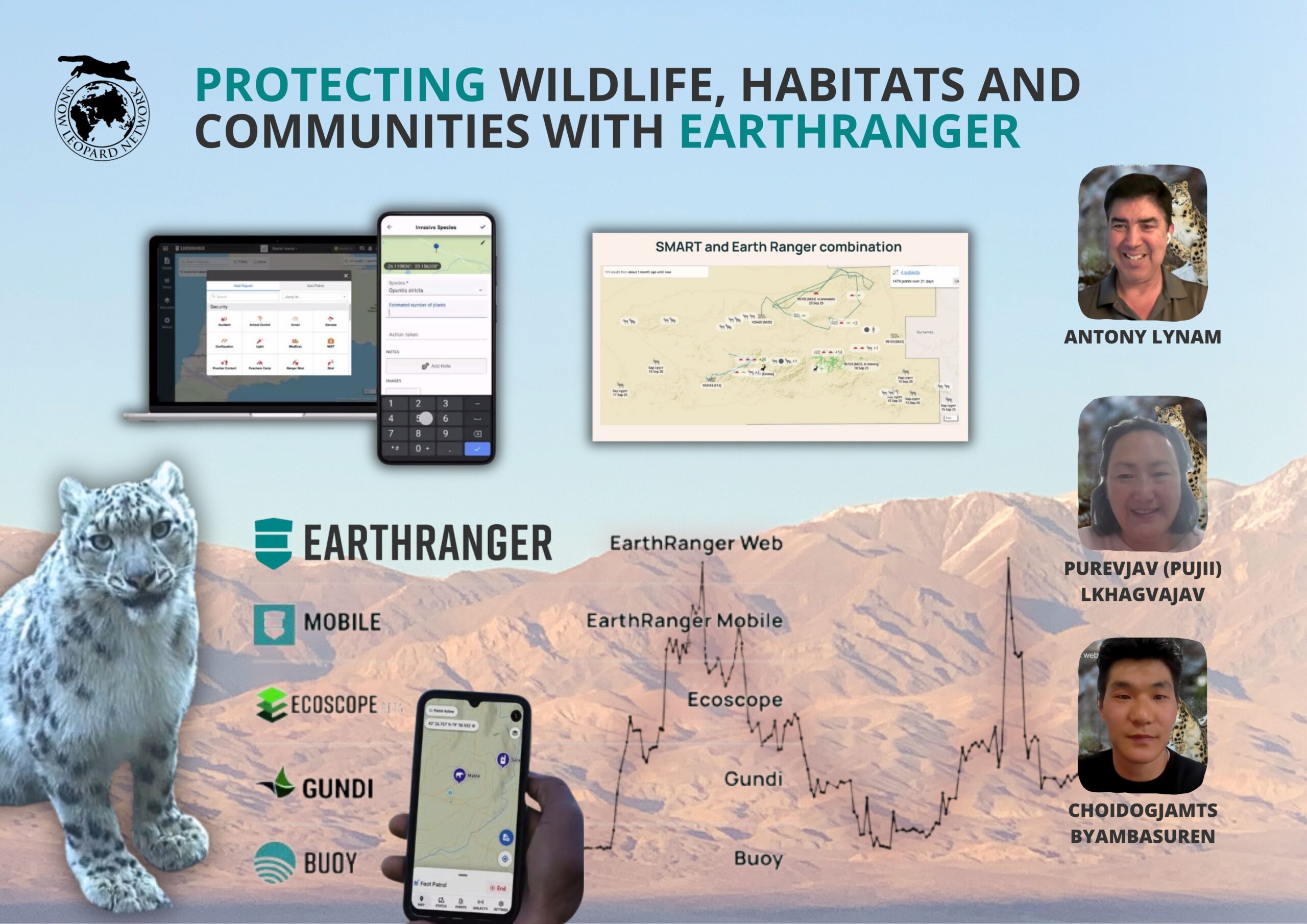
EarthRanger – Protecting wildlife and ecosystems with data-driven insights. We bring you an overview of the EarthRanger platform for protecting wildlife and ecosystems with data-driven insights. EarthRanger brings everything together—collect data from the field, integrate your technology, see your wildlife and teams in real time, create reports and visualizations to summarize your data, and develop strategies that accelerate your impact. Since its inception in 2015, EarthRanger has helped protected area managers make informed, conservation-related operational decisions. It is also used by ecologists and biologists to study wildlife and habitats, and to advocate for their protection.


Please find details below of a new article added to our Bibliography:

Title: Community-Based Snow Leopard Monitoring through Mobile Technology

Author: Pratihast, A. K., Sharma, N., Cappello, C., Schlueter, J., van Eupen, M., Subedi, A., Tymofeiev, I., Kaupisch, K., Subedi, N.

Abstract: The snow leopard (Panthera uncia), a flagship species of high-altitude ecosystems, faces critical threats, including human-wildlife conflict driven by livestock depredation. We developed a community-based snow leopard monitoring system in Nepal’s Nar and Phu Valley, integrating mobile-based tools for data collection and conflict mitigation. Using the mobile app, local communities documented 483 snow leopard observations (e.g., footprints) between 2023 and 2024. Additionally, we found that the majority of the existing 91 livestock corrals lacked protection from predators. In response, we constructed eight predator-proof corrals to improve
livestock protection. A total of 21 herders filed applications to claim livestock loss compensation, demonstrating the utility of our app to facilitate conflict management efforts. The app usage rate has increased over the years, but challenges like limited mobile connectivity in remote areas and the need for continuous training and local engagement remain to improve its long term uptake. The findings contribute to strategies aimed at reducing human-snow leopard conflicts while fostering coexistence.

URL: https://snowleopardnetwork.org/b/show.php?record=1786

Please find details below of a new article added to our Bibliography:

Title: Evaluating snow leopard population connectivity: is Kazakhstan a bridge for gene flow between the northern and southwestern range?

Author: Miroslav, P. K., Grachev, A. A., Poyarkov, A. D., Saparbayev, S. K., Hernandez-Blanco, J. A., Bespalov, S. V., Bespalov, M. V., Baidavletov, Y. R., Alexandrov, D. Y., Karnaukhov, A. S., Malykh, S. V., Munkhtsog, B., Bayaraa, M., Rozhnov, V. V.

Abstract: The number of studies on snow leopard (Panthera uncia) ecology has surged dramatically over the past few decades. However, despite this increase, many essential aspects of the species biology, which are critical for shaping effective conservation and management strategies, remain poorly understood. A particularly crucial area of research is the population connectivity and genetic structure of snow leopards across their naturally fragmented range. In our study, we focused on the Dzungarian region, specifically Kazakhstan, which has been repeatedly identified as a potentially significant area of connectivity between the southwestern and northern portions of the snow leopard range. We analyzed 54 sequences of mtDNA control region and 73 individual microsatellite multilocus genotypes of snow leopards from Russia, Mongolia, Kyrgyzstan, Tajikistan, and Kazakhstan to recognize both historical and recent signatures of gene flow between the major fragmented regions of the species’ distribution. Our results confirm the Dzungarian region’s role as a crucial area of connectivity between the core and northern populations, thereby providing empirical support for prior habitat- and connectivity-model predictions. However, we did not find clear evidence to unambiguously identify whether Kazakhstan or Chinese Xinjiang serves as the primary corridor linking these two fragmented parts of the snow leopard range. Further research efforts are needed to gain a comprehensive understanding of population connectivity in this focal region. Considering the Dzungarian region’s potential to support gene flow between the two major portions of the snow leopard range, conservation strategies should prioritize the preservation of habitats that can function as “stepping stones” to facilitate migration between the Tian Shan and the northern populations in Mongolia and Russia.

URL: https://snowleopardnetwork.org/b/show.php?record=1785

Please find details below of a new article added to our Bibliography:

Title: Snow Leopards: What’s Next?

Author: Lovari, S., Ferretti, F.

Abstract: In 2003–2023, the number of papers on snow leopards has grown by a 20‐fold increase. An important missing topic has been the variation of ecological parameters because of the ongoing meteorological change and the relevant effects on leopard food resources, i.e. distribution and numbers of wild herbivores. Also, information on prey populations from camera‐traps set for leopards requires caution: in fact, meso-large carnivores and herbivores use the habitat differently. Questionnaire methodology deserves attention, too.

URL:  https://snowleopardnetwork.org/b/show.php?record=1784