
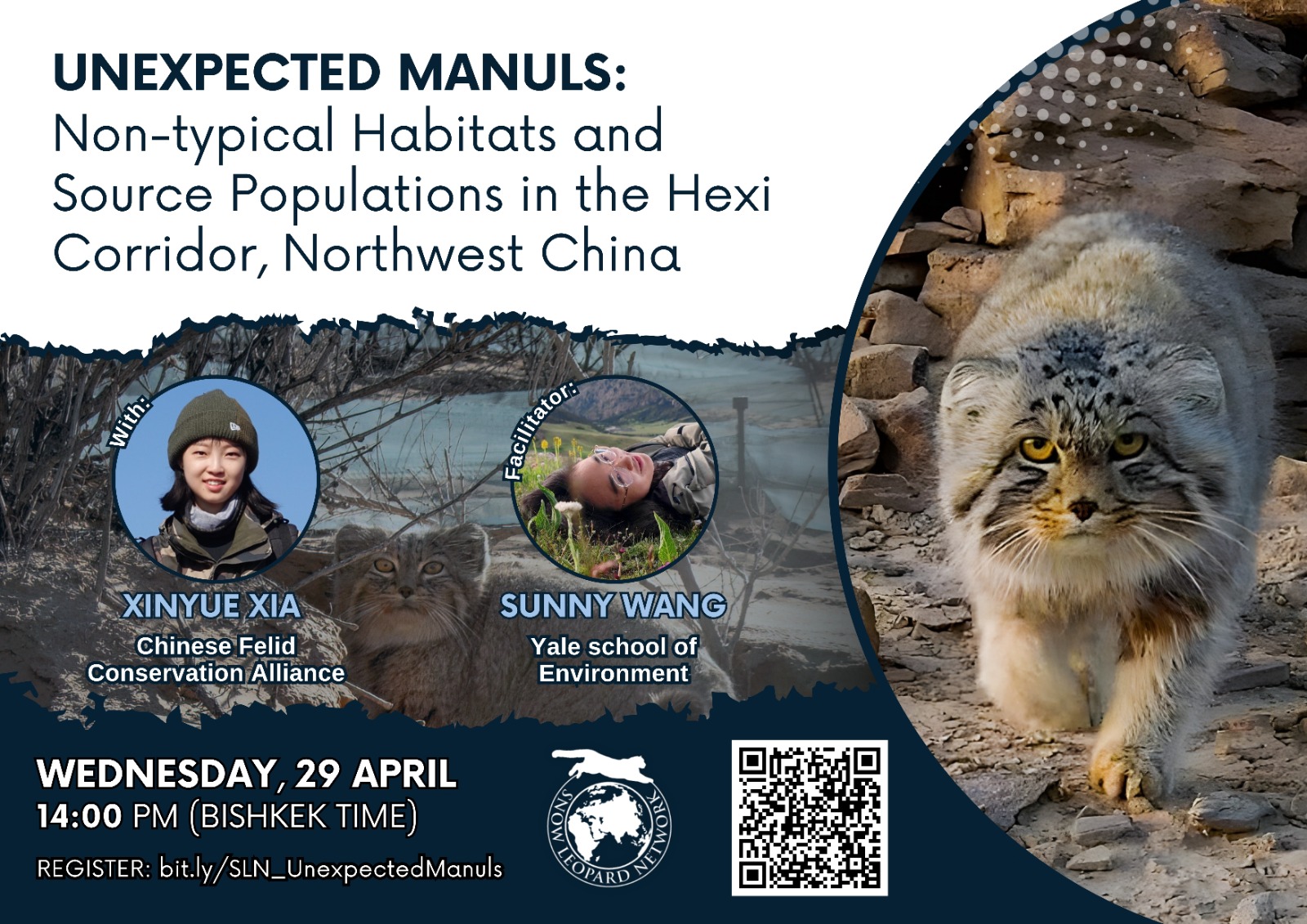
SLN invites you to join us for our second webinar of April 2026.
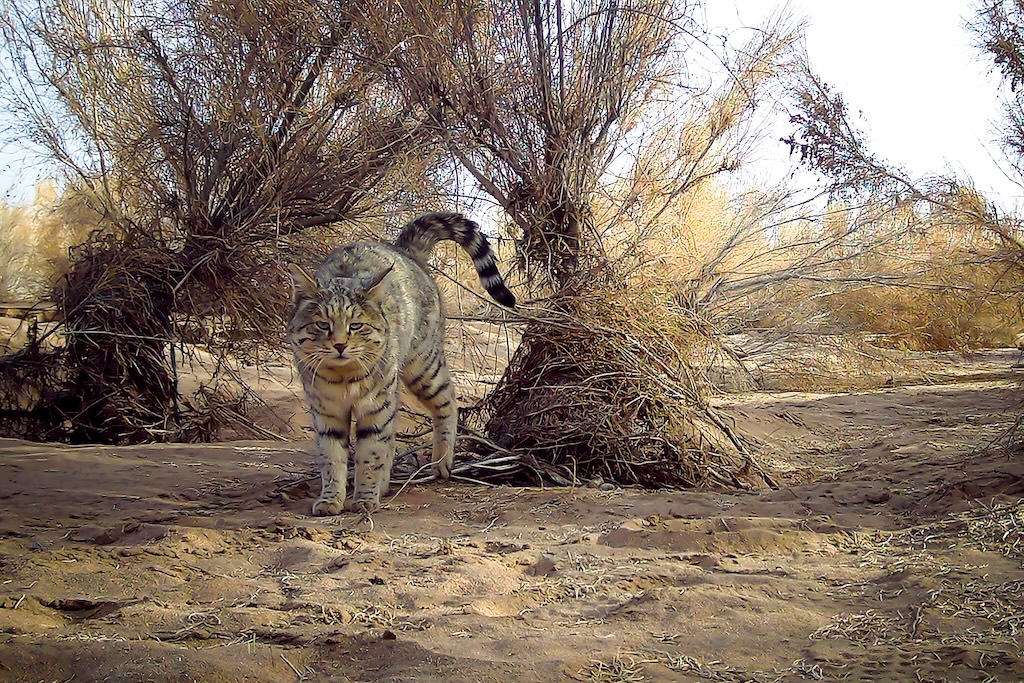
(Asiatic wildcat recorded in afforested desert)
About the Talk:
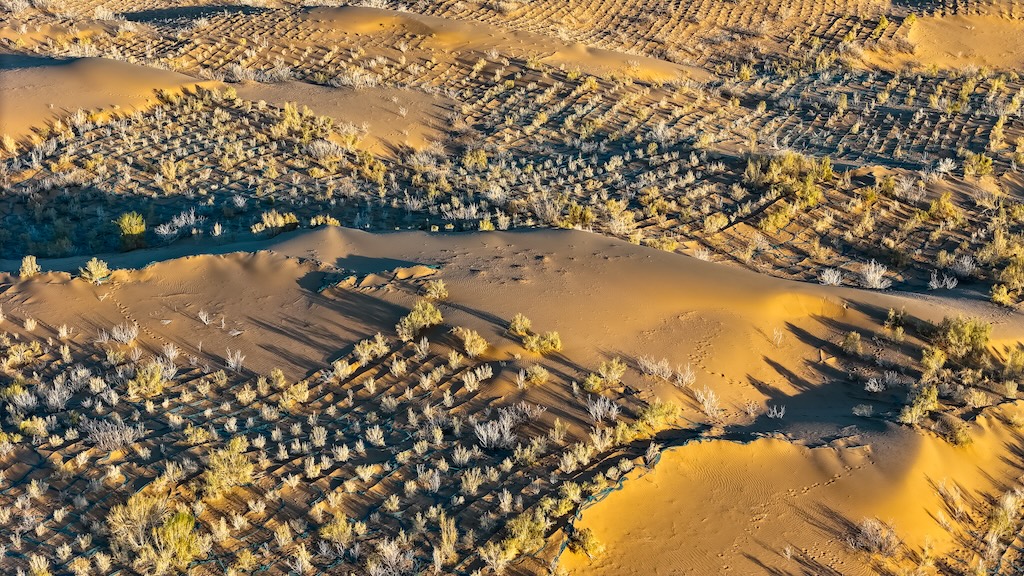
Across much of its range, the Pallas’s cat is typically associated with cold, open steppe and rocky habitats. However, camera trapping by Xinyue and her team in the Hexi Corridor of Northwest China has revealed an unexpected pattern: manuls appearing in human-modified desert landscapes shaped by long-term afforestation and sand control efforts. Alongside manuls, the team also recorded other mesocarnivores such as Asiatic wildcat, suggesting a previously overlooked ecological community in the non-typical habitats.
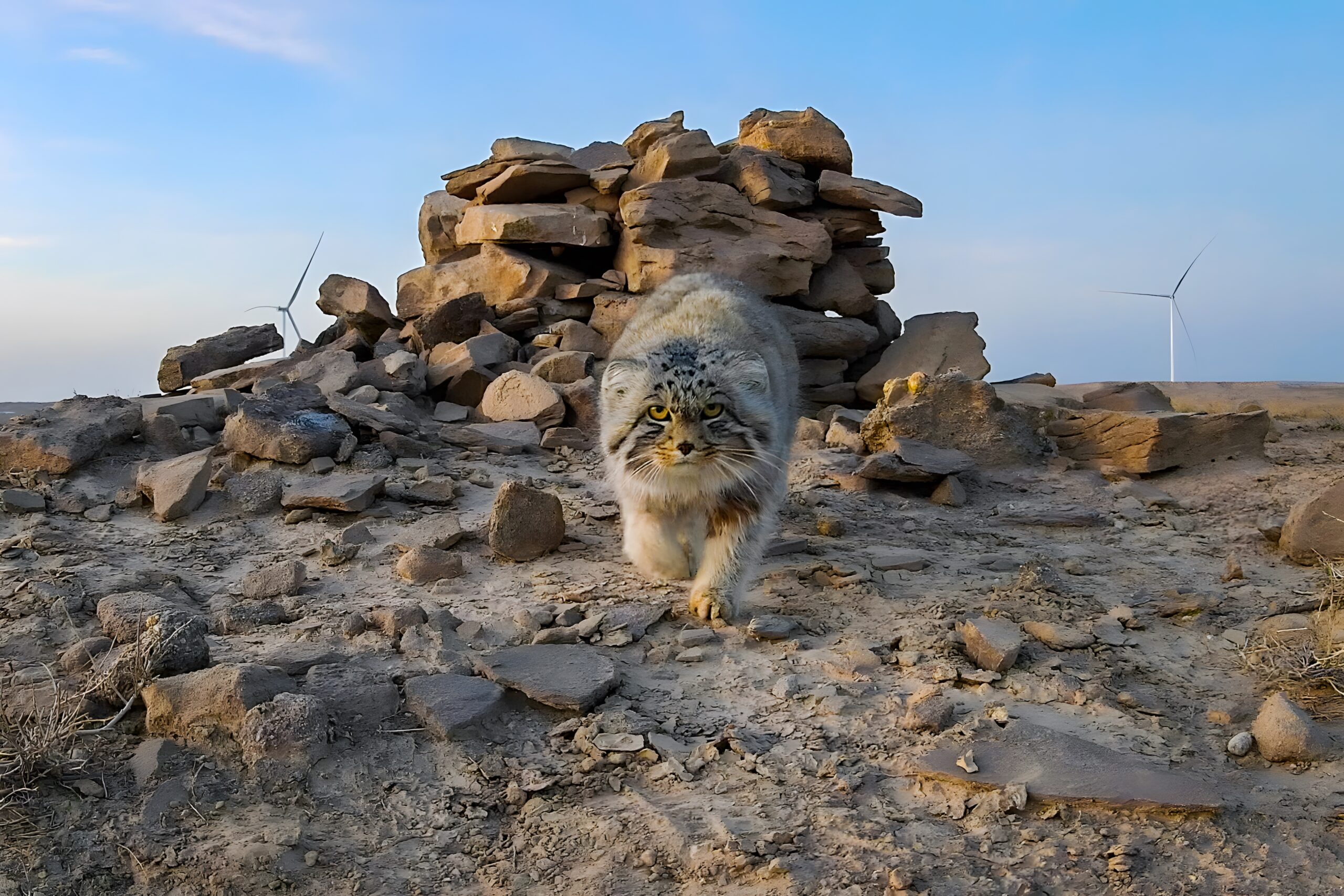
(Pallas’s cat in typical habitat with wind farms in the background)
Building on this discovery, the talk explores how nearby source populations and landscape connectivity may enable such occurrences. Drawing from field research since 2022, Xinyue will discuss threats to core populations – including habitat change, climate change, rodent control, and abandoned and free-roaming dogs – and share ongoing conservation efforts led by her team, such as artificial dens, policy engagement and the exploration of OECM approaches. The talk shares ongoing research and conservation efforts in a little-understood desert landscape, highlighting both current insights and remaining knowledge gaps. It aims to offer reflections and raise questions that may be relevant to similar under-studied regions, and to encourage further research and conservation attention in these rapidly changing environments.
About our Speaker:
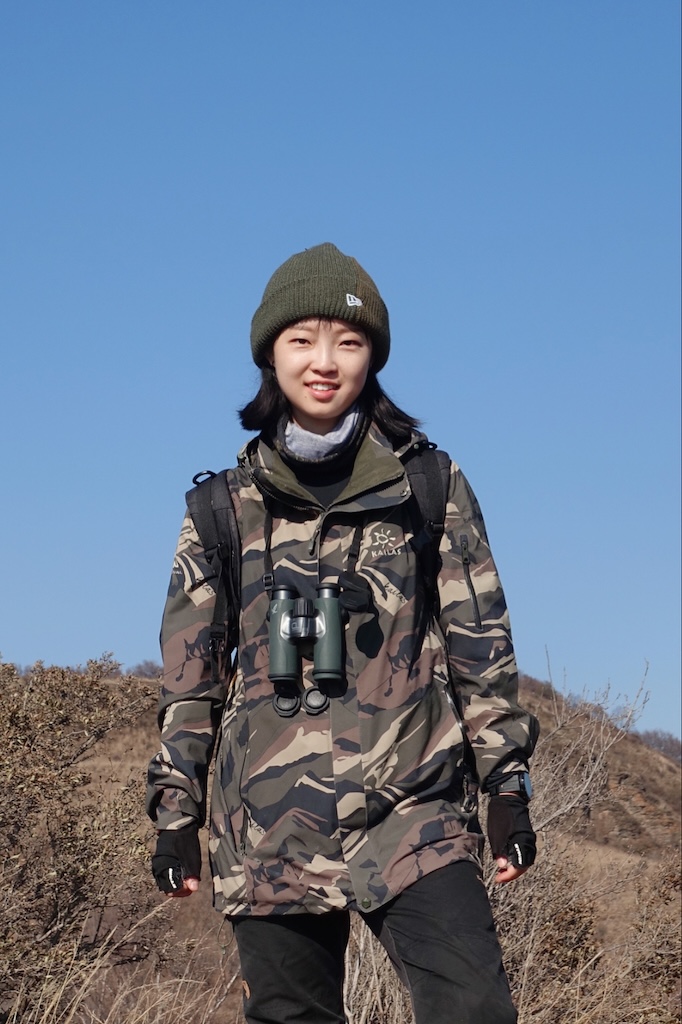
Xinyue Xia is a conservation practitioner and researcher with the Chinese Felid Conservation Alliance, working on the conservation of the Pallas’s cat and other felids in China. She and her team focus on baseline surveys, habitat optimization, community-based conservation and public engagement. Since 2022, she has been leading field efforts with her team and partners to study manul populations and emerging threats, using camera traps, field surveys and faecal-DNA sampling. Their work combines research collaborations with practical conservation actions, aiming to improve understanding of manuls and desert ecosystem, mobilize broader research and conservation efforts, and support the protection of manul habitats at a larger landscape scale.
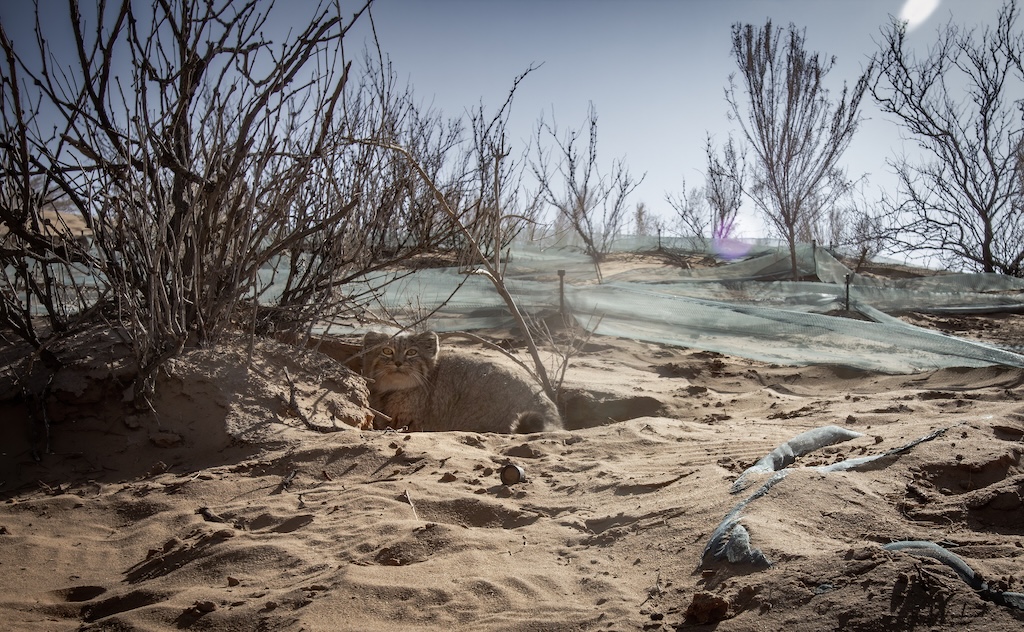
(Pallas’s cat in a non-typical habitat (afforested desert))
About our Facilitator:

Sunny Wang is a wildlife conservationist from China and a Master’s candidate at the Yale School of the Environment. Her work examines various forms of human–wildlife interactions and explores ways toward human-nature coexistence. She has experience working in conservation for over 6 years, across various ecosystems and species, and with multiple organizations.
Date/Time:
Wednesday, April 29th at 14:00 PM (Bishkek time)
Location:
ZOOM, to join this talk, REGISTER HERE
Please note:
- If you have never used Zoom before, we recommend that you try the link 10 minutes before the start of the lecture.
- Please feel free to write questions in the comment area and there will be time for questions/discussion at the end of the talk.
- Please note that the session will be recorded and later featured on the SLN website. If you have concerns about this please let us know before the session