
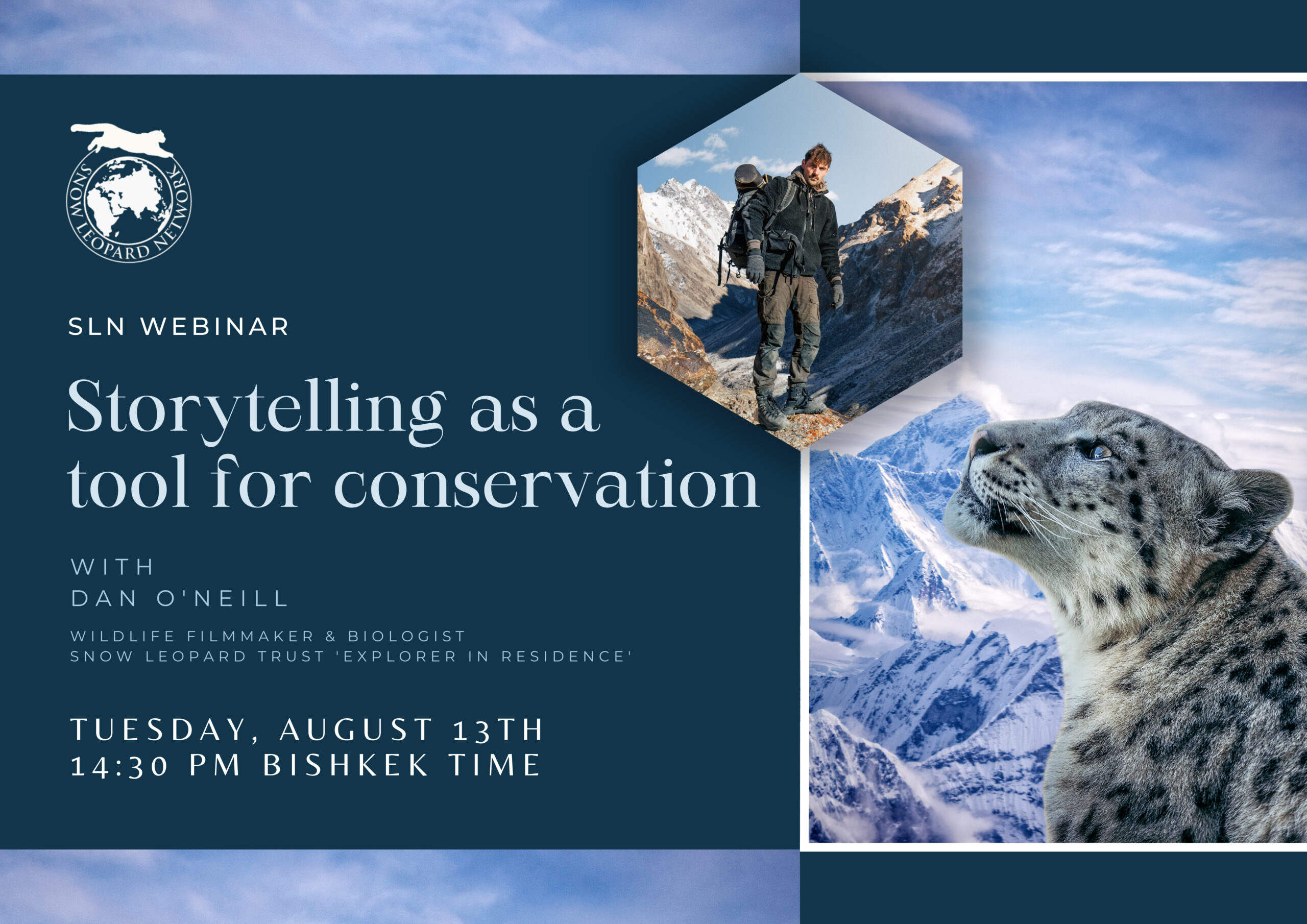
The Snow Leopard Network is excited to invite you to our webinar on “Storytelling as a tool for conservation”.
About the Talk:

Join Dan O’Neill, a wildlife filmmaker, biologist, and Snow Leopard Trust ‘Explorer in Residence’, to discuss how storytelling and media are crucial tools in conservation. He will share his experiences from working in remote areas around the world, showing how telling engaging stories both locally and internationally can inspire action, raise awareness, and connect people with nature.

Dan will explain how documentary filmmaking and photography can be harnessed to protect endangered species and habitats in unexpected ways, helping to garner public support and even influence policy. Using visuals and real-life examples, he will demonstrate effective storytelling techniques and the role of modern media in breaking new ground.

About our Speaker:


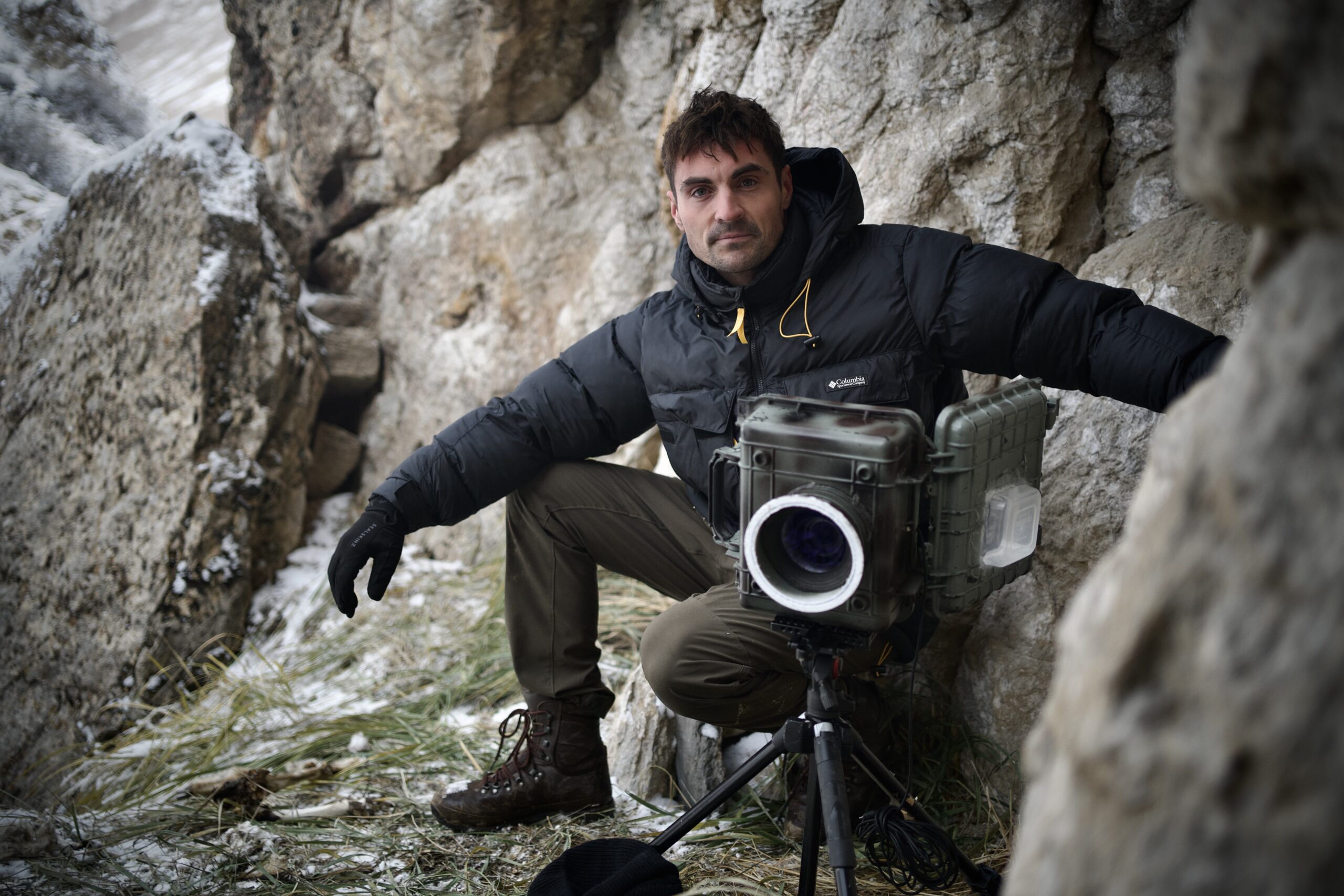
Dan O’Neill is a wildlife filmmaker, field biologist, and certified survivalist, specialising in remote and challenging environments. He has organised numerous expeditions in search of rare animals from the pristine jungles of the northern Amazon and Mayan temple ruins of the Yucatan, to the frozen peaks of Central Asia. He is regularly involved on scientific expeditions, primarily working as an expedition leader, field technician and location lecturer. He has camera-trapped for jaguars across the Neotropics from Guyana to Mexico and assisted the Snow Leopard Trust in Central Asia.


(c) Ben Harris

About our Facilitator:
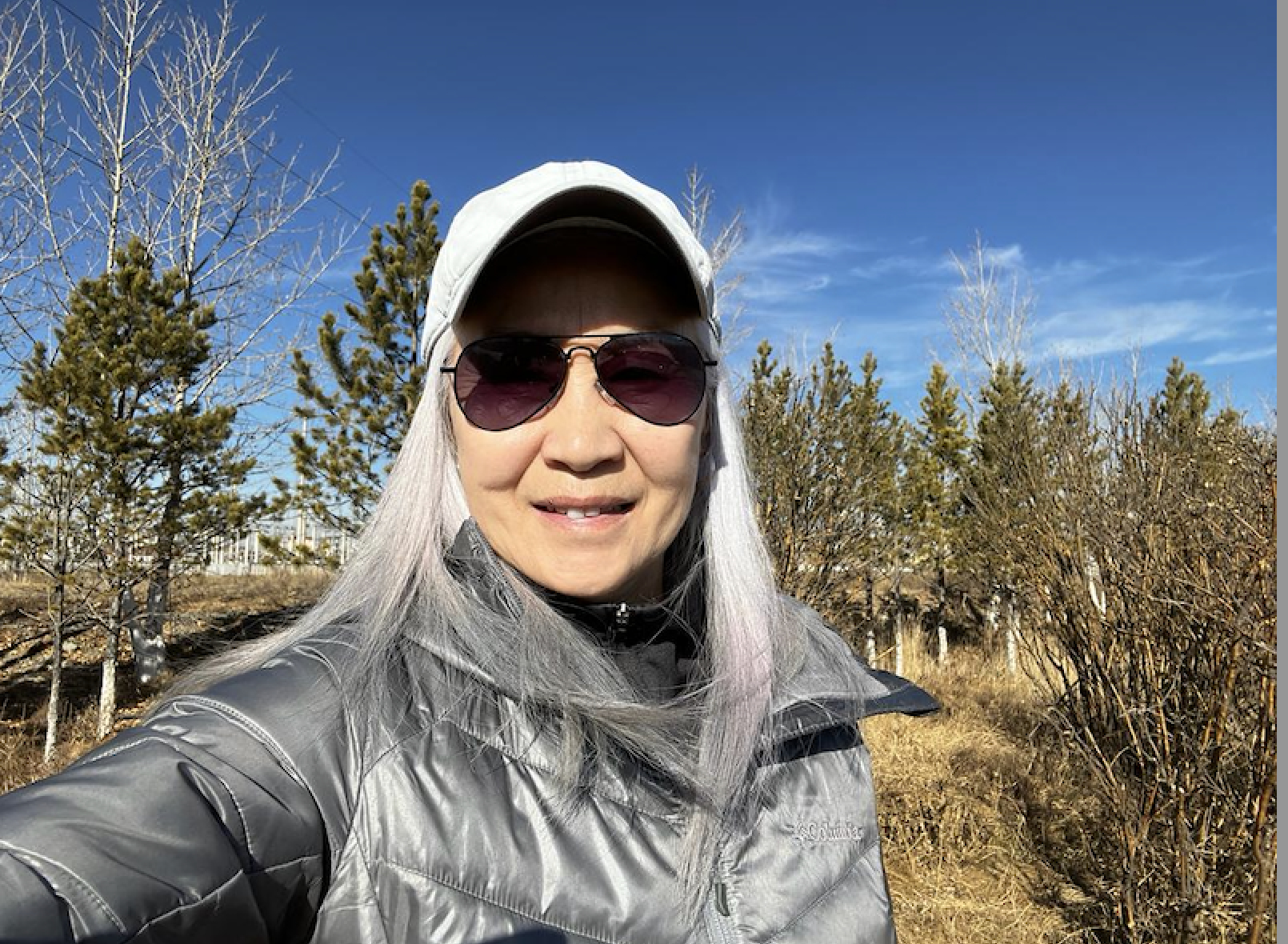
 

Bayarjargal Agvaantseren, Executive Director of the Snow Leopard Network.  Bayara is the former Director of the Snow Leopard Conservation Foundation in Mongolia, and she currently contributes to the Snow Leopard Trust’s regional team. Bayara’s dedication to snow leopards and their conservation in the wild spans back to 1998, and her many accomplishments include – setting up community-based programs back in the early 2000s to elevating the status of protection of snow leopard habitat in the South Gobi.


Date/Time

Tuesday, 13th August @ 14:30 pm (Bishkek time)

Location

ZOOM, to join this talk, REGISTER HERE

Please note

  • If you have never used Zoom before, we recommend that you try the link 10 minutes before the start of the lecture.
  • Please feel free to write questions in the comment area and there will be time for questions/discussion at the end of the talk.
  • Please note that the session will be recorded and later featured on the SLN website. If you have concerns about this please let us know before the session

 

Please find details below of a new article added to our Bibliography:

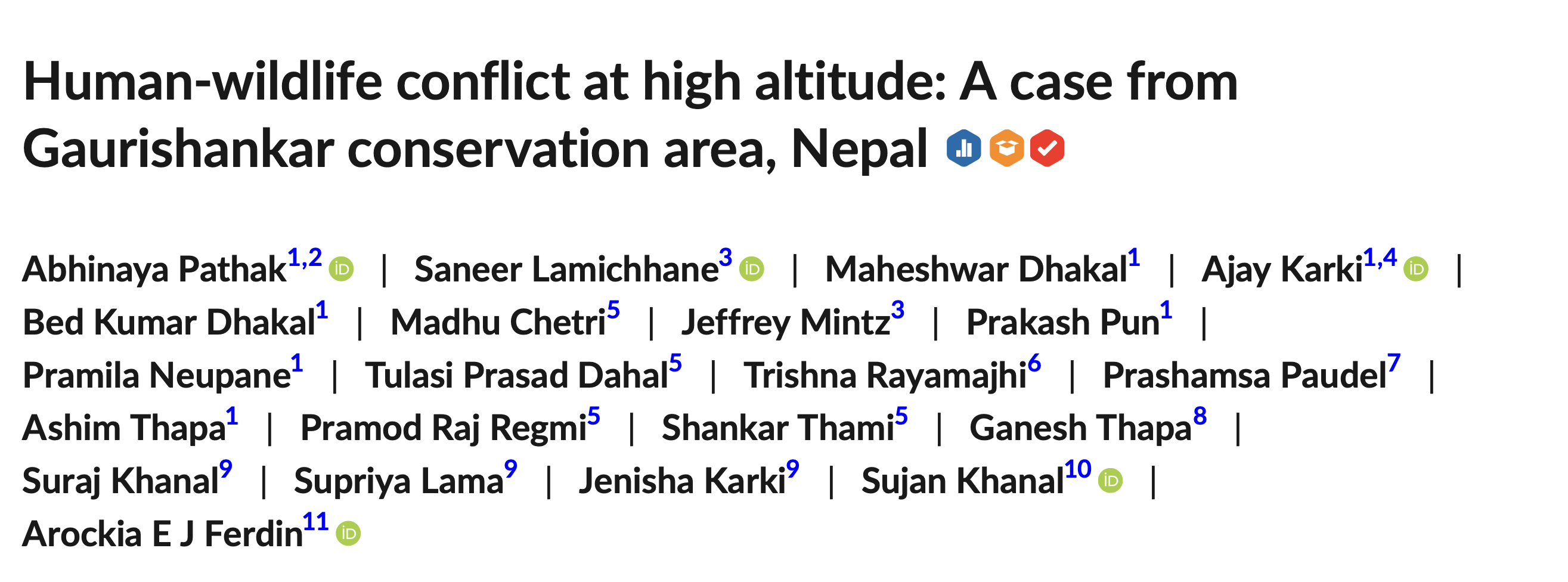
Title: Human-wildlife conflict at high altitude: A case from Gaurishankar conservation area, Nepal

Author: Pathak, A., Lamichhane, S., Dhakal, M., Karki, A., Dhakal, B. D., Chetri, M., Mintz, J., Pun, P., Neupane, P., Dahal, T. P., Rayamajhi, T., Paudel, P., Thapa, A., Regmi, P. R., Thami, S., Thapa, G., Khanal, S., Lama, S., Karki, J., Khanal, S., Ferdin, A. E. J.

Abstract: Human–wildlife conflict studies of high-altitude areas are rare due to budget constraints and the challenging nature of research in these remote environments. This study investigates the prevalence and increasing trend of human–wildlife conflict (HWC) in the mountainous Gaurishankar Conservation Area (GCA) of Nepal, with a specific focus on leopard (Panthera pardus) and Himalayan black bear (Ursus thibetanus laniger). The study analyzes a decade of HWC reports and identifies goats as the livestock most targeted by leopards. The Dolakha district of GCA received the highest number of reports, highlighting the need for mitigation measures in the area. In GCA, livestock attacks accounted for 85% of compensation, with the remaining 15% for human injuries. We estimate that the number of reported wildlife attacks grew on average by 33% per year, with an additional increase of 57 reports per year following the implementation of a new compensation policy during BS 2076 (2019 AD). While bear attacks showed no significant change post-rule alteration, leopard attack reports surged from 1 to 60 annually, indicating improved compensation may have resulted in increased leopard-attack reporting rates. The findings emphasize the economic impact of HWC on local communities and suggest strategies such as increasing prey populations, promoting community education and awareness, enhancing alternative livelihood options, developing community-based insurance programs, and implementing secure enclosures (corrals) to minimize conflicts and foster harmonious coexistence. This research addresses a knowledge gap in HWC in high- altitude conservation areas like the GCA, providing valuable insights for conservation stakeholders and contributing to biodiversity conservation and the well-being of humans and wildlife.

URL: https://snowleopardnetwork.org/b/show.php?record=1752

Please find details below of a new article added to our Bibliography:

Title: Modeling Habitat Suitability of Snow Leopards in Yanchiwan National Reserve, China

Author: Ismaili, R. R. R., Peng, X., Li., Y, Ali, A., Ahmad, T., Rahman, A. U., Ahmad, S., Shi, K.

Abstract:  Snow leopards (Panthera uncia) are elusive predators inhabiting high-altitude and mountainous rugged habitats. The current study was conducted in the Yanchiwan National Nature Reserve, Gansu Province, China, to assess the habitat suitability of snow leopards and identify key environmental factors inducing their distribution. Field data collected between 2019 and 2022 through scat sampling and camera trapping techniques provided insights into snow leopard habitat preferences. Spatial distribution and cluster analyses show distinct hotspots of high habitat suitability, mostly concentrated near mountainous landscapes. While altitude remains a critical determinant, with places above 3300 m showing increased habitat suitability, other factors such as soil type, human footprint, forest cover, prey availability, and human disturbance also play important roles. These variables influence ecological dynamics and are required to assess and manage snow leopard habitats.  The MaxEnt model has helped us to better grasp these issues, particularly the enormous impact of human activities on habitat suitability. The current study highlights the importance of altitude in determining snow leopard habitat preferences and distribution patterns in the reserve. Furthermore, the study underscores the significance of considering elevation in conservation planning and management strategies for snow leopards, particularly in mountainous regions. By combining complete environmental data with innovative modeling tools, this study not only improves local conservation efforts but also serves as a model for similar wildlife conservation initiatives around the world. By understanding the environmental factors driving snow leopard distribution, conservation efforts can be more efficiently directed to ensure the long-term survival of this endangered species. This study provides valuable insights for evidence-based conservation efforts to safeguard the habitats of snow
leopards amidst emerging anthropogenic pressure and environmental fluctuations.

URL: https://snowleopardnetwork.org/b/show.php?record=1751